Component A
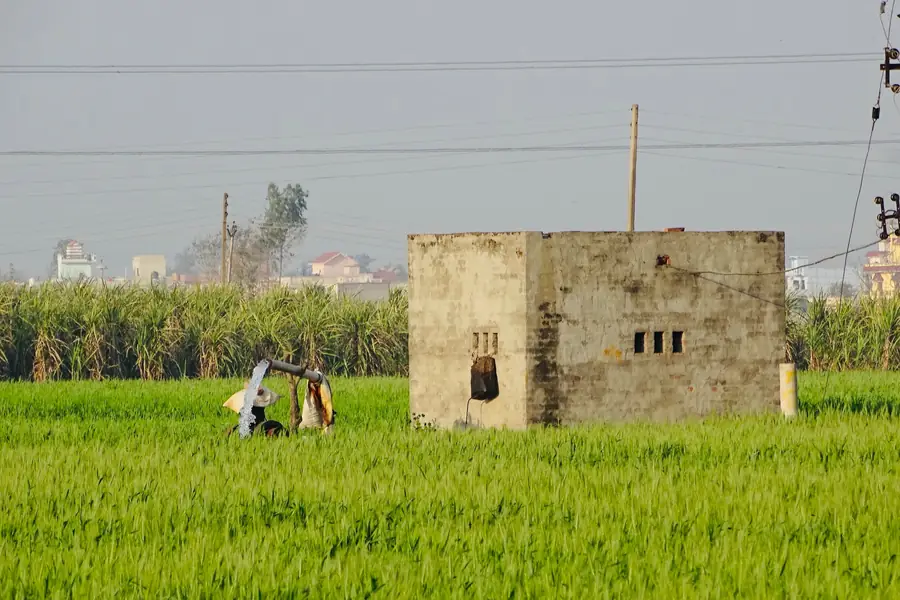
A small solar plant on farmland that sells power to the DISCOM.
For landowners with spare land who want a second income.
PM-KUSUM pumps and farm plants
Solar pumps and farm plants for Punjab, Haryana and Himachal Pradesh. We help you apply for PM-KUSUM when the next window opens.
Pradhan Mantri Kisan Urja Suraksha evam Utthaan Mahabhiyan. A central scheme, run through each state's renewable energy agency, that helps farmers move from diesel and unreliable power to the sun.
Where it stands. The first PM-KUSUM phase closed to new applications on 31 December 2025, and no window is open today. We tell you when the next one opens in Punjab, Haryana or Himachal Pradesh, and you can survey and plan the pump now.
A small solar plant on farmland that sells power to the DISCOM.
For landowners with spare land who want a second income.
A stand-alone solar pump that replaces a diesel pump.
For farms with no electricity connection at the pump, or an unreliable one.
Solar panels added to a pump that already has a grid connection.
For farms that run a grid pump and want to cut the bill.
Your connection and feeder belong to PSPCL, so Component C and any grid-connected plant go through PSPCL as well as PEDA.
More in the Punjab solar hubChandigarh is not listed above. It is a largely urban Union Territory and we hold no PM-KUSUM details for it. Farm plants and pump enquiries from Chandigarh and nearby are still welcome through the survey.
Land record, borewell or tubewell details and the pump you use today.
Land record, ID and bank details are the usual papers. The agency checklist is the final word.
A site visit confirms the water source, the head and where the panels go.
Panels, controller and pump go in, are tested, then inspected as the scheme requires.
Horsepower alone does not tell you what a pump will do. Head, daily water and sun hours do.
Head is the depth of the water below ground plus any lift to the outlet and the pipe losses between. Deeper water needs a stronger pump for every litre.
Count your acres, your crop and the season. A crop that drinks heavily in June needs a bigger pump than the same field in January.
A solar pump works while the sun shines. It starts slowly in the morning, peaks at noon and stops at dusk, so the daily water is what the sun delivers, not what the motor could do all day.
4.7 kW of panels
5 HP pump motor
About 10 kilolitres an hour while the pump runs.
Assumptions, not a quote: 35 per cent of the electricity ends up as lifted water, the pump runs about 6 useful hours, and each kW of panels gives about 4 kWh a day. Our survey measures your real head, water and sun.
Book site survey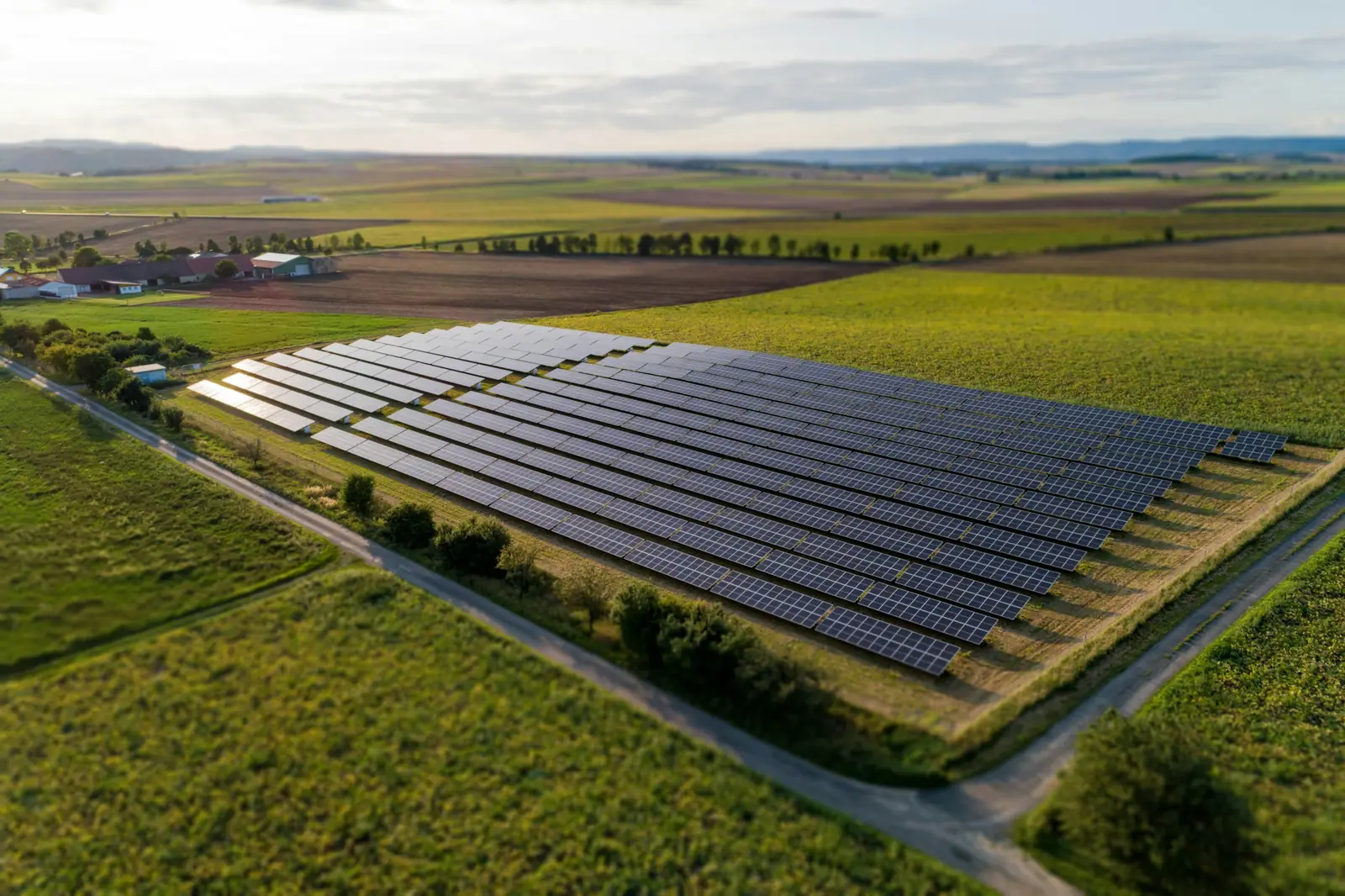
The same sun can run the pump, the dairy shed and the farm gate. We size each plant to what it has to power.
A panel array, a controller and a submersible or surface pump, sized to your head and your water need.
Rooftop plants sized to the daytime load of milking machines, chillers, fans and lights, with net metering where your DISCOM allows it.
For open land beside a pump house, a processing unit or the farm gate, laid out so tractors and crop rows keep working.
Harvest brings dust and ash to every farm roof and pump house in Punjab and Haryana. A plant that is looked after at the right weeks keeps pumping when the crop needs water most.
Threshing and stubble clearing put fine dust and ash in the air. Plan an extra wash as each harvest ends.
Panel cleaning plansWe check junction boxes and cable runs for dust, insects and rodent damage, and re-torque lugs that have loosened.
Operations and maintenanceWe confirm dry-run protection and flow before the next sowing peak, so a low borewell stops the pump instead of burning it.
MonitoringTell us your borewell depth, daily water need and where the pump sits. We survey the field, size the pump and plan the plant, in Punjab, Haryana and Himachal Pradesh.
Jalandhar Bypass, Ludhiana 141088 info@wesicsenergies.com