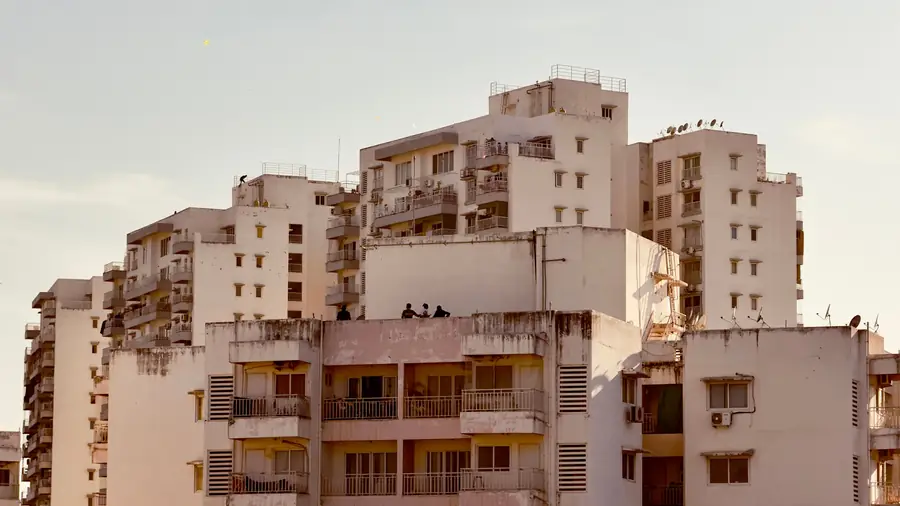
Solar for the shared roof
Common-area solar for housing societies and RWAs in Punjab, Haryana, Himachal Pradesh and Chandigarh: lifts, water pumps and corridor lights run on the shared roof.
- One roof, many homes.
- Panels on the shared roof.
- They power what everyone shares.
- Lifts and water pumps.
- Corridor lights.
- A smaller common-area bill, shared by every flat.
What a shared roof can run
Common-area solar feeds the society meter, not individual flats. It lowers the bill for the things every resident uses.
Panels make power in daylight. What runs after dark stays on the grid, as it does today.
-
Lifts
They run through the day, so daytime solar covers part of what they draw. At night they use the grid as they do now. Timing: all day.
-
Water pumps
Borewell and booster pumps can often be timed into daylight hours, so they run on the roof instead of the grid. Timing: can be scheduled.
-
Corridor and stair lights
Many blocks keep them on through the day. Switch to LED first, then solar covers what is left. Timing: often all day.
-
Gate, garden and compound lights
These run when the sun is down, so they stay on the grid unless the society adds batteries. Timing: after dark.
-
Club, office and common rooms
Fans, air-conditioning and the society office use power while people are in them. Timing: opening hours.
PM Surya Ghar support for societies
The scheme pays ₹18,000 per kW for common facilities of a group housing society or RWA, including EV charging, up to 500 kW.
- Per kW
- ₹18,000
- Capacity limit
- 500 kW, at 3 kW per house
- Counts toward the limit
- Rooftop plants that individual residents install
The scheme runs until March 2027 (FY 2026-27). The central government sets these terms and can change them, so we confirm them on the portal when we write your proposal and put the date we checked in it. The amount above is the general one for Punjab, Haryana and Chandigarh. In Himachal Pradesh, a special-category state, the society rate is ₹19,800 per kW up to 500 kW.
- Read the current rules for societies on the official portal and for your region.
- Tell you in writing what your society qualifies for, and what it does not.
- Prepare the application for the committee to sign.
How a committee gets to yes
Four steps. The committee decides at each one, and we write everything so it can be read aloud at a meeting.
Survey
Wesics, with a committee member present
We walk the roof, the meter room and the cable routes, and read twelve months of common-area bills.
Have ready Recent common-area bills, the sanctioned load on the meter, and roof access.
Propose
Wesics, to the committee
An itemised proposal and a layout drawing, written for a committee to read: what it costs, what it covers, what stays on the grid.
Have ready Questions from members. We attend the meeting if you want us there.
Approve and apply
The society
The committee, and the general body where your bylaws require it, approves the work. We prepare the scheme and DISCOM applications for the society to sign.
Have ready The resolution and the signatories your bylaws name.
Install and net meter
Wesics and the DISCOM
We install, test and hand over. The DISCOM inspects and sets up the net meter. After that you get monthly generation reports.
Have ready A named contact for roof and meter-room access.
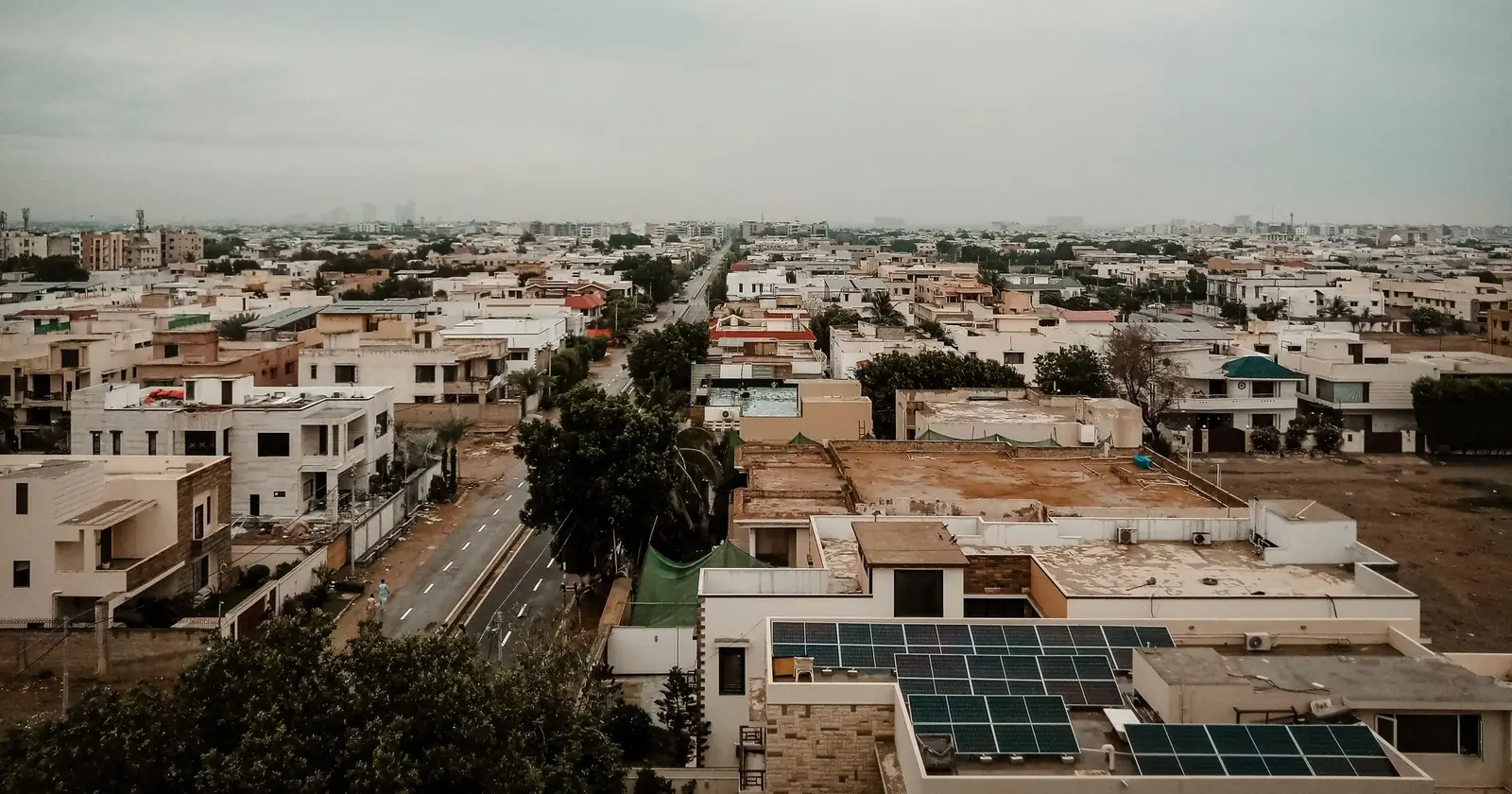
A shared roof is not a private one
Five things we check at survey, because they decide the layout and the paperwork.
-
Who owns the roof
A shared roof belongs to all flat owners. Agree access, who maintains the plant and what happens at resale before any drilling starts.
-
Slab and waterproofing
We plan the structure to sit on the slab with minimal penetrations and a waterproofing check after fixing, and we flag a weak slab at survey.
-
Shade from the block itself
Water tanks, lift machine rooms, stair covers and neighbouring buildings cast shadows that move through the day. We map them before placing a panel.
-
Cable routes down the building
Power has to get from the roof to the common meter. We use existing shafts and ducts where we can and keep cable runs short.
-
Safe walkways
Residents hang washing and use roofs. We leave clear paths and fence the array where needed.
Who decides, the committee or every member?
That depends on your society bylaws and on how the spend is funded. Many societies need a managing committee decision and a general body vote. Check your bylaws and ask your registrar if unsure. We can write a one-page note for the meeting.
How is the saving shared between flats?
A common-area plant lowers the society electricity bill, which is paid from maintenance charges. Arrangements that credit individual flats depend on the rules of your DISCOM and state or territory. We explain the options that apply to you at the survey.
Will the lift and pumps still work at night?
Yes. They draw from the grid when the sun is down, exactly as they do now. Solar only reduces what you buy during the day.
Does each flat also get its own subsidy?
Individual homes can apply under PM Surya Ghar on their own roofs. A common-area plant is a separate arrangement for the society. We tell you which route fits your building.
Let's put your roof to work.
We survey roofs across Punjab, Haryana, Himachal Pradesh and Chandigarh from Ludhiana. You get an itemised quote, a 3D layout and a clear path through subsidy and net metering.
Jalandhar Bypass, Ludhiana 141088 info@wesicsenergies.com